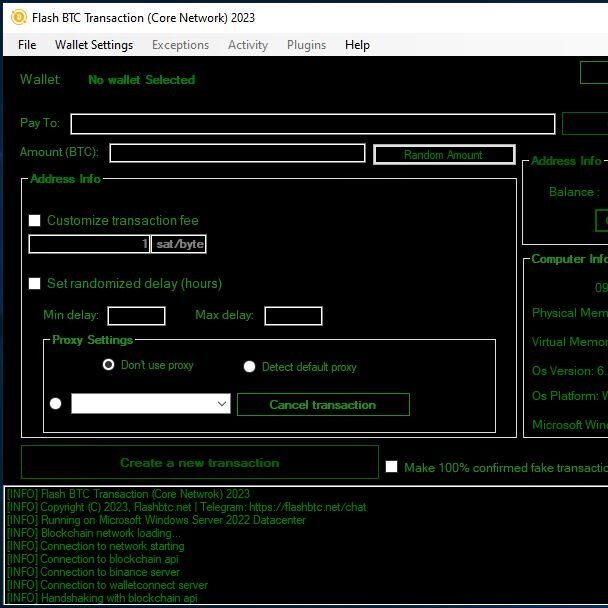

Ever wondered how to execute instant cryptocurrency transactions across multiple blockchains? BTC flashing software makes this possible, allowing you to perform seamless transfers across Ethereum, Tron, Binance Smart Chain, and other EVM-compatible networks.
Whether you’re a developer, trader, or researcher, these powerful tools provide exceptional efficiency with low-fee optimizations. We’ve tested various solutions, from flash BTC software to comprehensive bitcoin flashing software packages that handle everything from USDT to BTC transactions. Additionally, many platforms offer BTC flash software free download options or a “Free Test” experience before committing. For mobile users, btc flashing software for Android is becoming increasingly accessible, making cryptocurrency management possible from anywhere.
In this guide, we’ll walk you through a step-by-step process for using BTC flash software effectively. From fetching UTXOs and building raw transactions to signing them securely with your private key, you’ll learn everything needed to start using these powerful transaction tools confidently. Let’s dive in!
What is BTC Flashing Software?
BTC Flashing Software fundamentally creates temporary Bitcoin transactions that visually appear in wallets but ultimately disappear. Unlike legitimate cryptocurrency transactions, flash BTC merely mimics a balance without providing lasting value on the blockchain.
Essentially, this software exploits the window between transaction broadcast and confirmation, creating what appears to be proper Bitcoin transactions—complete with transaction IDs and amounts—yet never receiving actual blockchain validation. Some versions utilize techniques like race attacks or Finney attack logic to simulate real-time transfers.
The technical mechanism operates through digital sleight-of-hand rather than legitimate blockchain operations. Most commonly, the software broadcasts transactions that appear in the recipient’s wallet as “pending” or “unconfirmed,” yet these transactions eventually vanish because they lack proper blockchain confirmation.
Some BTC flashing tools claim to maintain transaction visibility for extended periods—up to 180 days or even 365 days for premium versions. For those seeking information about legitimate flash bitcoin software, realflashbtc.net offers tools with extended transaction visibility periods.
However, it’s crucial to understand that flash BTC represents a simulation designed to appear legitimate without blockchain validation. Many security experts warn that most “flash BTC senders” typically contain malware designed to steal wallet keys or personal information.
How to Use BTC Flashing Software Step-by-Step
Following a straightforward process makes using BTC flashing software manageable even for newcomers to cryptocurrency transactions. Let me walk you through the fundamental steps.
First, download and install a compatible BTC flashing software from a trusted source. Several platforms offer options including “BTC flashing software free download” trials before purchasing full licenses.
Next, launch the application and select Bitcoin as your target cryptocurrency. Most interfaces provide clear navigation options for different coin types.
Subsequently, input the recipient’s wallet address where you want the flashed Bitcoin to appear. Double-check this address carefully since transaction errors cannot be reversed.
Then, specify the amount you wish to send. According to providers, minimum orders typically start at $20,000 BTC value for a $200 payment.
After confirming your details, initiate the flash transaction by clicking the designated “send” or “create transaction” button. The system will generate a transaction that appears in the recipient’s wallet almost immediately.
Finally, monitor the transaction status through blockchain explorers to verify it shows as “confirmed”. Flash transactions may remain visible for up to 90 days depending on the specific software.
For more information about the software visit https://realflashbtc.net where you can explore additional features and transaction options.
Important Considerations Before You Start
Before diving into BTC flashing software, understanding several critical security and technical considerations will protect both your assets and system.
Never share your wallet’s private keys with any service—this is always a clear sign of a scam. Moreover, implement two-factor authentication (2FA), with Google Authenticator being more secure than SMS verification.
Your system should meet specific requirements—BTC flashing software typically works on Windows 7 or newer (both 32-bit and 64-bit), while Mac users can run it through Windows emulation. Furthermore, a secure internet connection is essential, as public networks often lack adequate protection.
When verifying transactions, always check their authenticity on the blockchain network. Request the transaction hash/ID from the sender and confirm at least two block confirmations. You can track Bitcoin transactions through blockchain explorers like https://blockchain.info/.
Watch for these red flags of scams:
- Guarantees of large returns (if it sounds too good to be true, it probably is)
- Services claiming to send fake Bitcoin transactions
- Unsolicited communications or urgent requests
Notably, there’s no government guarantee or insurance for crypto assets. Consequently, you should never use money you cannot afford to lose when working with any cryptocurrency tools. Bank Flashing software also available at https://sqr400flashfund.com
Conclusion
Understanding BTC flashing software certainly requires careful consideration of both its functionality and limitations. Throughout this guide, we’ve explored how this technology creates temporary Bitcoin transactions that appear legitimate but ultimately lack blockchain validation. These transactions may remain visible for extended periods, though they never truly become part of the permanent ledger.
Security remains paramount when dealing with any cryptocurrency tools. Therefore, always verify transactions through reliable blockchain explorers and never share private keys with any service. Additionally, implementing strong security measures like two-factor authentication provides essential protection for your digital assets.
Before experimenting with such software, remember that legitimate transactions require proper blockchain confirmation. Meanwhile, many so-called flashing services actually contain malware designed to compromise wallets. Although the technology itself might seem appealing, users should approach with extreme caution and research thoroughly before proceeding.
The step-by-step process we’ve outlined helps navigate the basic functionality, however, users must remain vigilant about potential scams. For more information about the software visit https://realflashbtc.net where detailed features and transaction options are available. Still, never invest money you cannot afford to lose, as cryptocurrency transactions carry inherent risks without government guarantees or insurance protection.
Whether you’re a developer, trader, or simply curious about blockchain technology, this guide hopefully provides valuable insights into BTC flashing software while emphasizing the critical importance of security practices and healthy skepticism when exploring these tools.
FAQs
Q1. What is BTC flashing software and how does it work? BTC flashing software creates temporary Bitcoin transactions that appear in wallets but ultimately disappear. It exploits the window between transaction broadcast and confirmation, simulating real-time transfers without actual blockchain validation.
Q2. Is using BTC flashing software safe and legal? The use of BTC flashing software is not recommended as it often involves simulating illegitimate transactions. Many security experts warn that most “flash BTC senders” typically contain malware designed to steal wallet keys or personal information.
Q3. What are the basic steps to use BTC flashing software? The basic steps include downloading the software, selecting Bitcoin as the target cryptocurrency, inputting the recipient’s wallet address, specifying the amount to send, and initiating the flash transaction. However, it’s crucial to understand the risks involved.
Q4. What security measures should I take when using cryptocurrency tools? Never share your wallet’s private keys, implement two-factor authentication, use a secure internet connection, and always verify transactions on the blockchain network. Be wary of guarantees of large returns or services claiming to send fake Bitcoin transactions.
Q5. Can I run BTC flashing software on any device? BTC flashing software typically works on Windows 7 or newer (both 32-bit and 64-bit). Mac users may run it through Windows emulation. Some mobile options are becoming available, such as BTC flashing software for Android.